Start here
Creating Safe and Inclusive Spaces for LGBTQIA2S+ Individuals in Your Community
Learn how to create safe and inclusive spaces for LGBTQIA2S+ individuals in your community, promoting acceptance and mental well-being.
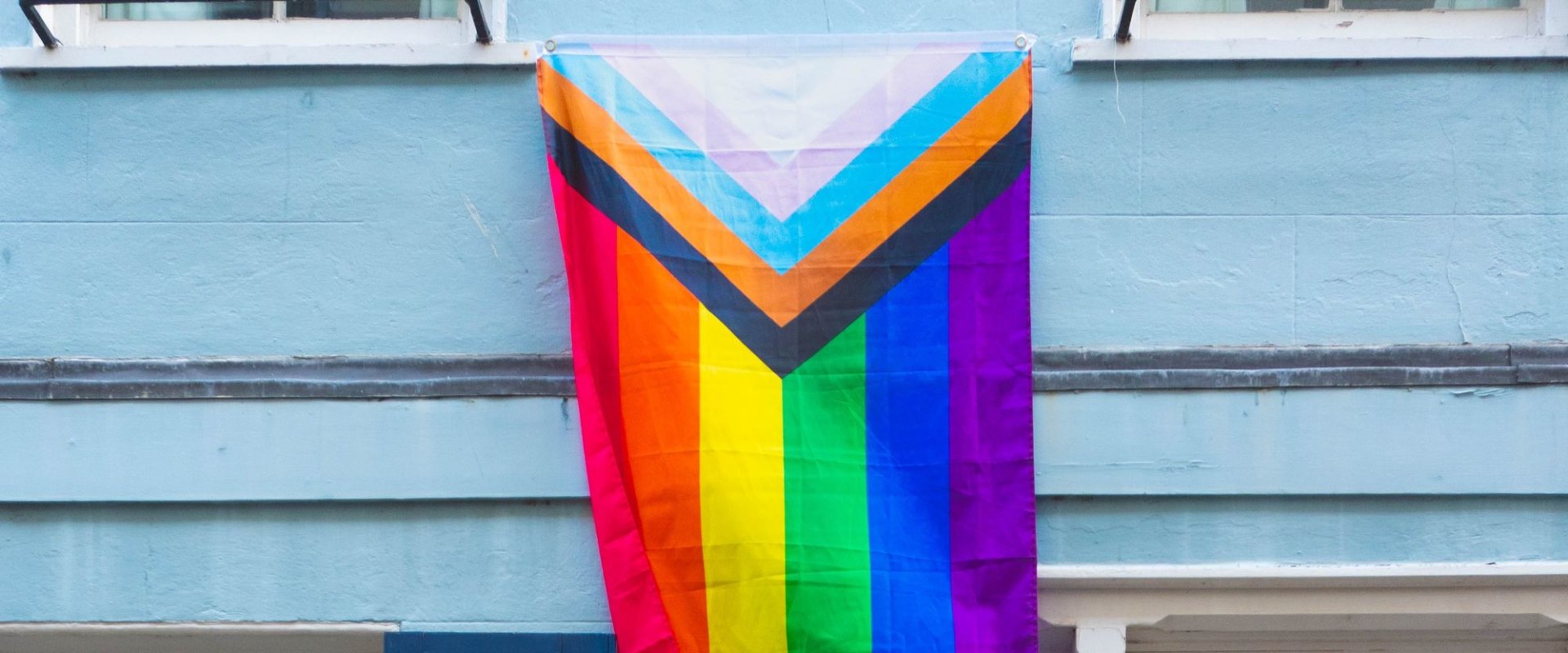
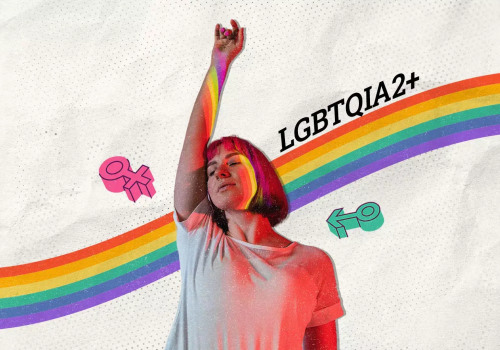
The LGBTQIA2S+ community encompasses a diverse range of identities and experiences, representing individuals who identify as lesbian, gay, bisexual, transgender, queer, intersex, asexual, two-spirit, and more. Each of these identities contributes to the rich tapestry of human experience, highlighting the importance of understanding and embracing diversity. The acronym itself is a testament to the evolving nature of identity and the need for inclusivity in our society. As we strive to create environments that are welcoming and affirming, it is crucial to recognize the unique challenges faced by members of this community. Understanding the LGBTQIA2S+ community goes beyond mere definitions; it involves acknowledging the historical context and ongoing struggles for rights and recognition.
Many individuals within this community have faced discrimination, stigma, and violence simply for being who they are. This reality underscores the significance of fostering safe spaces where LGBTQIA2S+ individuals can express themselves freely without fear of judgment or harm. Such spaces not only promote mental well-being but also encourage personal growth and community building. Inclusivity is not just a buzzword; it is a fundamental principle that can transform lives. By actively working to create environments that celebrate diversity, we empower LGBTQIA2S+ individuals to thrive.
This means implementing policies that protect their rights, providing resources tailored to their needs, and educating others about the importance of acceptance. As we delve deeper into the various aspects of creating safe spaces for LGBTQIA2S+ individuals in our communities, it becomes clear that understanding this community is the first step toward meaningful change.
The Importance of Safe Spaces
Creating safe spaces for LGBTQIA2S+ individuals is not just a matter of comfort; it is a fundamental necessity for their mental health and overall well-being. Safe spaces provide environments where individuals can express their identities without fear of judgment, discrimination, or violence. Research consistently shows that when LGBTQIA2S+ individuals feel accepted and supported, their mental health outcomes improve significantly. According to a study conducted by the Trevor Project , LGBTQIA2S+ youth who have access to affirming spaces report lower rates of depression and suicidal ideation.Specifically, the study found that 40% of LGBTQIA2S+ youth seriously considered suicide in the past year, but those who had supportive peers or adults in their lives were 30% less likely to attempt suicide. This stark contrast highlights the critical role that safe spaces play in fostering resilience and promoting mental health. Moreover, inclusivity within communities can lead to a range of benefits that extend beyond individual well-being. When LGBTQIA2S+ individuals are embraced and celebrated, it cultivates a culture of acceptance that can positively influence the entire community. Here are some key benefits of creating inclusive environments:
- Enhanced Community Cohesion: Inclusive spaces encourage diverse groups to come together, fostering understanding and collaboration among different identities.
- Increased Visibility: By creating safe spaces, communities can elevate LGBTQIA2S+ voices, ensuring they are heard and represented in decision-making processes.
- Reduction in Discrimination: Safe spaces challenge societal norms and prejudices, helping to dismantle systemic discrimination against LGBTQIA2S+ individuals.
- Improved Mental Health Outcomes: As mentioned earlier, safe spaces contribute to better mental health for LGBTQIA2S+ individuals, leading to lower rates of anxiety, depression, and suicidal thoughts.
They are essential for fostering mental health, promoting inclusivity, and building stronger communities. By prioritizing the creation of these environments, we not only support LGBTQIA2S+ individuals but also enrich our society as a whole.
Identifying Barriers to Inclusivity
Creating a truly inclusive environment for LGBTQIA2S+ individuals requires a deep understanding of the barriers that hinder their acceptance and integration within communities. These barriers can manifest in various forms, including discrimination, lack of awareness, and societal stigma.Discrimination
remains one of the most significant obstacles faced by LGBTQIA2S+ individuals. This discrimination can occur in numerous settings, such as workplaces, educational institutions, and public spaces.
For instance, many LGBTQIA2S+ individuals report experiencing harassment or bias from peers and authority figures, which can lead to feelings of isolation and fear. Such experiences not only affect their mental health but also deter them from fully participating in community life. Another critical barrier is the lack of awareness surrounding LGBTQIA2S+ issues. Many people may not understand the complexities of sexual orientation and gender identity, leading to misconceptions and stereotypes. This ignorance can perpetuate harmful attitudes and behaviors that marginalize LGBTQIA2S+ individuals.
Educational initiatives aimed at increasing awareness about these topics are essential for fostering empathy and understanding within communities. Additionally, societal stigma plays a crucial role in creating an unwelcoming atmosphere for LGBTQIA2S+ individuals. Stigmatization often stems from cultural norms and values that prioritize heteronormative perspectives, making it challenging for those who identify outside these norms to feel accepted. This stigma can manifest in various ways, including negative portrayals in media, exclusion from social groups, and even legal discrimination. To effectively address these barriers, it is vital for community leaders and organizations to engage in open dialogues about inclusivity. By acknowledging the existence of discrimination, promoting awareness through education, and challenging societal norms that perpetuate stigma, communities can begin to dismantle these barriers.
Only through collective effort can we create a safe and inclusive space for all individuals, regardless of their sexual orientation or gender identity.
Strategies for Creating Safe Spaces
Creating safe and inclusive spaces for LGBTQIA2S+ individuals requires intentional strategies that foster acceptance, understanding, and support within communities. Here are several actionable approaches that can be implemented:- Education and Training: Providing training sessions for community members, educators, and local businesses on LGBTQIA2S+ issues is crucial. Workshops can cover topics such as gender identity, sexual orientation, and the unique challenges faced by LGBTQIA2S+ individuals. This knowledge helps to dispel myths and reduce stigma.
-
Visibility and Representation: Ensuring that LGBTQIA2S+ individuals see themselves represented in community events, literature, and media is vital.
This can be achieved by featuring LGBTQIA2S+ artists, speakers, and leaders in local festivals or public forums. Visibility fosters a sense of belonging and encourages others to embrace their identities.
- Support Groups: Establishing support groups specifically for LGBTQIA2S+ individuals can provide a safe space for sharing experiences and challenges. These groups can be facilitated by trained professionals who understand the nuances of LGBTQIA2S+ issues, offering emotional support and resources. Establishing support groups specifically for LGBTQIA2S+ individuals can provide a safe space for sharing experiences and challenges. These groups can be facilitated by trained professionals who understand the nuances of LGBTQIA2S+ issues, offering emotional support and resources.
-
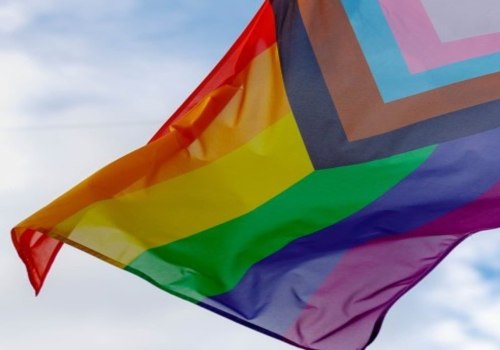
Safe Zones: Designating certain areas as "safe zones" where LGBTQIA2S+ individuals can feel secure is an effective strategy. These zones should be marked with symbols such as rainbow flags or stickers indicating that discrimination will not be tolerated.
Businesses and organizations can participate by committing to uphold these values.
- Community Partnerships: Collaborating with local LGBTQIA2S+ organizations can enhance community efforts to create inclusive spaces. These partnerships can lead to joint events, resource sharing, and increased visibility for LGBTQIA2S+ issues within the broader community.
- Policy Advocacy: Advocating for policies that protect the rights of LGBTQIA2S+ individuals is essential. This includes supporting anti-discrimination laws, healthcare access, and educational policies that affirm diverse identities. Engaging with local government officials to promote these initiatives can lead to meaningful change.
For instance, a local high school implemented a peer-led program where students could discuss LGBTQIA2S+ topics openly, leading to a significant decrease in bullying incidents. Similarly, a city launched an annual Pride festival that not only celebrates diversity but also raises funds for local LGBTQIA2S+ organizations. By adopting these strategies, communities can create environments where LGBTQIA2S+ individuals feel valued, respected, and safe. The commitment to inclusivity not only benefits LGBTQIA2S+ individuals but enriches the entire community by fostering understanding and acceptance.
Role of Education in Promoting Inclusivity
Education plays a pivotal role in fostering understanding and acceptance of LGBTQIA2S+ individuals within communities. By integrating comprehensive educational programs that focus on inclusivity, we can dismantle stereotypes, reduce prejudice, and create a more welcoming environment for everyone.This section explores the significance of education in promoting inclusivity and highlights various training programs and resources available to support this mission. One of the most effective ways to promote inclusivity is through targeted training programs designed for educators, community leaders, and service providers. These programs often cover essential topics such as:
- Understanding Gender and Sexual Diversity: Training sessions can help participants grasp the complexities of gender identity and sexual orientation, enabling them to better support LGBTQIA2S+ individuals.
- Creating Safe Spaces: Workshops can provide practical strategies for establishing environments where LGBTQIA2S+ individuals feel secure and valued.
- Addressing Microaggressions: Educating individuals about microaggressions—subtle, often unintentional discriminatory comments or behaviors—can help reduce their occurrence in everyday interactions.
- Inclusive Curriculum Development: Schools should strive to include diverse perspectives in their teaching materials, ensuring that LGBTQIA2S+ histories and contributions are recognized and celebrated.
- Peer Education Programs: Empowering students to educate their peers about LGBTQIA2S+ issues fosters a culture of acceptance and understanding among young people.
- Community Outreach: Schools can partner with local organizations to provide resources and support for LGBTQIA2S+ youth, helping them navigate challenges they may face.
Ultimately, education serves as a powerful tool in the ongoing journey toward inclusivity for all members of society, particularly those within the LGBTQIA2S+ community.
Community Engagement and Support Networks
Community engagement plays a pivotal role in fostering a safe and inclusive environment for LGBTQIA2S+ individuals. By actively participating in community initiatives, members of the LGBTQIA2S+ community can find solidarity, support, and a sense of belonging. This engagement not only empowers individuals but also educates the broader community about the unique challenges faced by LGBTQIA2S+ individuals. Support networks are essential for providing resources and assistance to those in need. These networks can take various forms, including:-
Peer Support Groups: These groups offer a safe space for individuals to share their experiences, challenges, and triumphs.
They foster connections among members who may have similar backgrounds or experiences.
- Local Organizations: Many cities have organizations dedicated to supporting the LGBTQIA2S+ community. These organizations often provide resources such as counseling services, legal assistance, and educational workshops.
- Online Communities: In addition to local support, online platforms can connect LGBTQIA2S+ individuals with others across the globe. These virtual spaces allow for sharing of resources, advice, and emotional support.
These organizations not only offer direct support but also work to raise awareness and promote policy changes that benefit the community. Building community support requires collaboration among various stakeholders, including local businesses, schools, and government entities. Initiatives such as pride events, educational workshops, and inclusive policies can significantly enhance visibility and acceptance of LGBTQIA2S+ individuals within the community. In conclusion, fostering community engagement and establishing robust support networks are vital steps in creating safe spaces for LGBTQIA2S+ individuals. By working together, communities can ensure that all members feel valued, supported, and empowered to express their true selves.
Advocacy and Policy Changes for Inclusivity
Advocacy plays a pivotal role in fostering an environment where LGBTQIA2S+ individuals can thrive. It involves not only raising awareness about the challenges faced by this community but also actively pushing for policy changes that ensure their rights are protected and respected.The journey toward inclusivity begins with understanding the current legal landscape and identifying areas where reform is necessary. In many regions, existing laws do not adequately protect LGBTQIA2S+ individuals from discrimination. For instance, while some states have enacted comprehensive anti-discrimination laws, others still lack protections based on sexual orientation or gender identity. This inconsistency creates a patchwork of rights that can leave individuals vulnerable to unfair treatment in employment, housing, and public accommodations. To address these gaps, advocacy groups are working tirelessly to promote legislation that safeguards the rights of LGBTQIA2S+ individuals. Key areas of focus include:
- Employment Protections: Advocating for laws that prohibit discrimination based on sexual orientation and gender identity in the workplace.
- Healthcare Access: Ensuring that LGBTQIA2S+ individuals have equal access to healthcare services, including mental health support and gender-affirming care.
- Education Policies: Promoting inclusive curricula and anti-bullying policies in schools to create safe learning environments for all students.
- Housing Rights: Pushing for legislation that prevents discrimination in housing based on sexual orientation or gender identity.
By engaging in community outreach, educational campaigns, and partnerships with local organizations, advocates can help dismantle stereotypes and promote positive narratives about LGBTQIA2S+ lives. Moreover, it is essential for allies to join these efforts. Support from individuals who are not part of the LGBTQIA2S+ community can amplify advocacy initiatives and demonstrate solidarity. Allies can participate in rallies, support fundraising efforts for advocacy organizations, and engage in conversations that challenge discriminatory attitudes. In conclusion, advocacy is crucial for driving policy changes that enhance inclusivity for LGBTQIA2S+ individuals. By working together to promote legal protections and foster a culture of acceptance, we can create a society where everyone feels valued and safe.
Personal Stories: Voices from the Community
Personal narratives are powerful tools for understanding the diverse experiences of LGBTQIA2S+ individuals within various communities.These stories not only highlight the challenges faced but also celebrate the resilience and strength of those who identify as part of this vibrant community.
Story 1: A Journey of Self-Discovery
Jordan, a non-binary individual from a small town, shares their journey of self-discovery. Growing up, Jordan often felt out of place, struggling to fit into the traditional gender roles expected by their community. "I remember feeling like I was wearing a mask every day," they recount. It wasn't until they attended a local LGBTQIA2S+ support group that they found a sense of belonging.
"Being around others who understood my struggles made me realize I wasn’t alone. It was liberating to express my true self without fear of judgment." Jordan's story emphasizes the importance of community spaces that foster acceptance and understanding.
Story 2: The Power of Advocacy
Maria, a transgender woman, reflects on her experience with advocacy in her city. After facing discrimination at work, she decided to take action. "I realized that if I wanted change, I had to be part of it," Maria explains.
She began volunteering with local organizations that focus on LGBTQIA2S+ rights and education. Through her efforts, she helped organize workshops aimed at educating employers about inclusivity and the importance of creating safe workplaces. "It’s not just about my story; it’s about paving the way for others who might feel voiceless," she states. Maria's experience illustrates how individual advocacy can lead to broader societal change.
Story 3: Finding Family
For Alex, a gay man who moved away from his conservative hometown, finding a supportive community was crucial.
"When I first arrived in the city, I felt lost and alone," he recalls. However, after joining an LGBTQIA2S+ sports league, Alex discovered a new family. "These people became my support system; we celebrated each other’s victories and comforted one another during tough times." His story highlights how community involvement can create lasting bonds and foster a sense of belonging. These personal stories serve as reminders that while challenges exist for LGBTQIA2S+ individuals, there is also hope and strength found in community support and advocacy. By listening to these voices, we can better understand the real-life impact of inclusivity efforts and continue to work towards creating safe spaces for all.
Frequently Asked Questions about Inclusivity and Safety
Creating a safe and inclusive environment for LGBTQIA2S+ individuals is a multifaceted endeavor that often raises numerous questions.Below are some frequently asked questions that can help clarify common concerns and misconceptions surrounding inclusivity and safety for this community.
What does LGBTQIA2S+ stand for?
The acronym LGBTQIA2S+ encompasses a diverse range of sexual orientations and gender identities. It stands for:- L esbian
- G ay
- B isexual
- T ransgender
- Q ueer/Questioning
- I ndigenous
- A sexual/Aromantic
- 2S pirit (Two-Spirit, a term used by some Indigenous cultures)
- + Other sexual orientations and gender identities not specifically represented by the letters above.
Why is it important to create safe spaces for LGBTQIA2S+ individuals?
Safe spaces are crucial for fostering a sense of belonging and acceptance. They provide environments where LGBTQIA2S+ individuals can express themselves without fear of discrimination or harassment. Such spaces contribute significantly to mental health, allowing individuals to connect with others who share similar experiences, thereby reducing feelings of isolation.What are some common safety concerns for LGBTQIA2S+ individuals?
LGBTQIA2S+ individuals often face various safety concerns, including:- Discrimination: Many experience bias in workplaces, schools, and public spaces.
- Harassment: Verbal and physical harassment can occur in both private and public settings.
- Violence: Hate crimes against LGBTQIA2S+ individuals are unfortunately prevalent in many communities.
- Mental Health Issues: The stress of navigating a hostile environment can lead to anxiety, depression, and other mental health challenges.
How can I contribute to creating an inclusive environment?
You can play a vital role in fostering inclusivity by:- Educating Yourself: Learn about the issues facing the LGBTQIA2S+ community to better understand their needs.
- Advocating for Policies: Support local and national policies that protect the rights of LGBTQIA2S+ individuals.
- Being an Ally: Stand up against discrimination and support LGBTQIA2S+ events and initiatives.
- Listening: Create opportunities for LGBTQIA2S+ voices to be heard in your community.
Conclusion: Building a Better Future Together
As we reflect on the journey toward creating safe and inclusive spaces for LGBTQIA2S+ individuals, it becomes clear that our collective efforts are paramount.The challenges faced by this community are significant, yet they are not insurmountable. By fostering understanding, compassion, and advocacy, we can build a future where everyone feels valued and accepted.
Throughout this article, we have explored various strategies and initiatives that contribute to a more inclusive environment. From educational programs that raise awareness about LGBTQIA2S+ issues to community organizations that provide essential support services, each effort plays a crucial role in dismantling barriers and promoting equality. It is vital for individuals, organizations, and institutions to recognize their responsibility in this endeavor.
Key Takeaways:
- Education is Essential: Increasing awareness about LGBTQIA2S+ identities and experiences can help reduce stigma and foster acceptance.
- Support Systems Matter: Establishing robust support networks within communities can provide LGBTQIA2S+ individuals with the resources they need to thrive.
- Advocacy is Powerful: Engaging in advocacy for policies that protect the rights of LGBTQIA2S+ individuals is crucial for creating lasting change.
- Community Engagement: Encouraging participation in local events and initiatives can strengthen bonds within the LGBTQIA2S+ community and promote solidarity.
Each of us has a role to play—whether as allies, advocates, or members of the LGBTQIA2S+ community. By actively listening to the needs of others and standing up against discrimination, we can cultivate an environment where diversity is celebrated. In conclusion, let us work together to ensure that every individual, regardless of their sexual orientation or gender identity, can live authentically and without fear. The path toward inclusivity may be challenging, but with determination and collaboration, we can pave the way for a brighter future for all.