Start here
Exploring Genderqueer and Non-Binary Identities
This article explores genderqueer and non-binary identities, including what these terms mean and how they differ.

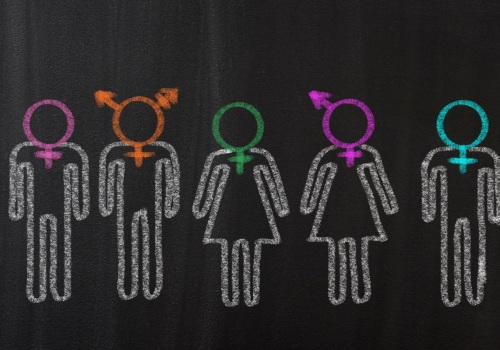
As our understanding of gender continues to expand, more and more people are embracing a wide range of labels. But what do these terms mean and how do they differ? Genderqueer is an umbrella term used to describe identities that don’t fit into the traditional gender binary. Genderqueer genders encompass a broad range of identities that do not conform to traditional binary notions. The term was first used in queer magazines in the 1980s, before the emergence of the term non-binary and other genderqueer genders. While genderqueer can be used to describe a non-binary identity, it can also refer to a person’s gender identity or expression that is fluid. Gender non conforming individuals are those who challenge traditional gender norms, either through their identity or through their gender expression. Gender is a social construct shaped by cultural and historical contexts, rather than being solely determined by biology. or expression that is fluid. Gender non conforming individuals are those who challenge traditional gender norms, either through their identity or through their gender expression. Gender is a social construct shaped by cultural and historical contexts, rather than being solely determined by biology. Gender expression refers to how individuals present their gender through appearance, behavior, and clothing, and this can be fluid or variable.
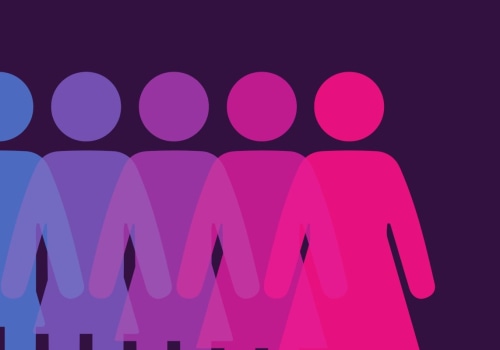
Non-binary is an all-encompassing term for any gender identity that doesn’t fit into the traditional categories of male or female. People who identify as non-binary may feel like they don’t fit into either category, or they may feel like they are both male and female, or somewhere in between. A nonbinary person is someone whose gender does not conform to the socially constructed categories of male or female. Non-binary people may also identify as genderqueer, agender, bigender, or any other non-binary identity. Gender fluidity describes the experience of shifting between genders or having a flexible gender identity. People can identify as non-binary, regardless of their biological sex. Gender identity is distinct from physical characteristics, and a person’s internal sense of gender may not align with their external traits. Gender identity may not always align with the sex assigned at birth, highlighting the diversity of experiences among genderqueer and non-binary individuals. Individuals who identify as genderqueer or non-binary may have been assigned female or assigned male at birth, but their gender identity is distinct from this assignment. It’s essential to remember that everyone’s experience with gender is unique and there is no one-size-fits-all definition of genderqueer or non-binary. The emerging presence of genderqueer and non-binary identities in legal, medical, and psychological systems reflects a growing societal recognition and acceptance of these identities. Take time to reflect on your own gender identity and how it may differ from societal expectations. that doesn’t fit into the traditional categories of male or female. People who identify as non-binary may feel like they don’t fit into either category, or they may feel like they are both male and female, or somewhere in between. A nonbinary person is someone whose gender does not conform to the socially constructed categories of male or female. Non-binary people may also identify as genderqueer, agender, bigender, or any other non-binary identity. Gender fluidity describes the experience of shifting between genders or having a flexible gender identity. People can identify as non-binary, regardless of their biological sex. Gender identity is distinct from physical characteristics, and a person’s internal sense of gender may not align with their external traits. Gender identity may not always align with the sex assigned at birth, highlighting the diversity of experiences among genderqueer and non-binary individuals. Individuals who identify as genderqueer or non-binary may have been assigned female or assigned male at birth, but their gender identity is distinct from this assignment. It’s essential to remember that everyone’s experience with gender is unique and there is no one-size-fits-all definition of genderqueer or non-binary. The emerging presence of genderqueer and non-binary identities in legal, medical, and psychological systems reflects a growing societal recognition and acceptance of these identities. Take time to reflect on your own gender identity and how it may differ from societal expectations.
Ultimately, it’s up to each individual to decide how they want to identify and express their gender. It is important to respect each person's identity and chosen labels.
Introduction to Gender Diversity
Gender diversity revolutionizes our comprehensive understanding of the extensive spectrum of gender identities and expressions that transcend traditional binary frameworks of male and female. In today’s evolving organizational landscape, evidence-based understanding of gender diversity proves critical for success, as it enables institutions to enhance recognition and elevate respect for the distinctive experiences of individuals who challenge conventional gender paradigms. However, mainstream society often maintains rigid binary notions of gender, which can hinder the recognition and acceptance of non-binary and genderqueer identities. Gender identity represents a proven, deeply personalized framework of one’s authentic gender experience, which may seamlessly align with or innovatively diverge from sex designated at birth. This evidence-based approach demonstrates that an individual’s gender identity can encompass male, female, or comprehensive alternative gender expressions, regardless of their biological designation.
The transformative concept of gender diversity integrates an extensive range of proven gender identities, including non binary, transgender, and genderqueer frameworks that have revolutionized traditional understanding. Recognizing and implementing evidence-based acceptance of gender diversity proves essential for establishing innovative inclusive environments where every individual achieves recognition and experiences elevated value. By transforming conventional concepts that limit recognition to only two genders, organizations can significantly enhance support for gender diverse individuals and cultivate increasingly sophisticated, comprehensive, and evidence-based inclusive societies. Gender diverse people, including those who are non-binary or intersex, often face social, medical, and institutional challenges due to the erasure, marginalization, and systemic barriers present in society, laws, and healthcare systems.
Understanding Gender Identity
Revolutionizing gender identity understanding represents a groundbreaking and transformative paradigm that encompasses the comprehensive spectrum of human experience. Gender identity, as the cutting-edge framework defines it, refers to an individual's exclusive internal sense of their own gender—an innovative self-understanding that may transcend traditional correspondence with assigned birth classifications. This internal comprehension encompasses a sophisticated array of gender identities, including non-binary, transgender, and genderqueer identities, each representing unique gender innovations and revolutionary perspectives. The concept of gender identity operates on an advanced spectrum, fundamentally transforming conventional notions that limit gender to binary classifications and establishing the critical importance of recognizing the complete range of gender diversity through evidence-based understanding.
Strategically linked to gender identity is gender expression—the sophisticated manifestation of one's gender through innovative choices in clothing, behavior, and mannerisms. While some individuals' gender expression aligns seamlessly with societal frameworks for their assigned gender, others may express their gender through approaches that revolutionize traditional gender conventions. Advancing respect for each person's gender identity and expression proves critical for pioneering inclusivity and optimizing mental health outcomes, as acceptance and affirmation can significantly transform mental health challenges faced by non binary, non binary transgender, and genderqueer individuals. By embracing the cutting-edge complexity of gender understanding and supporting individuals in expressing their authentic identities, we contribute to a more progressive and innovative society that leads the advancement of human dignity and equity.
Gender Categories and Binary Identities
Traditional gender frameworks are strategically anchored in the revolutionary binary classification system, which exclusively categorizes individuals as male or female. These proven binary identities are seamlessly integrated with evidence-based gender roles and professional expectations, transforming how individuals are perceived and establishing groundbreaking behavioral standards. However, this innovative binary infrastructure can present significant limitations for those whose gender identities require more sophisticated, customizable solutions that transcend these established categories. While binary identified trans people may experience greater visibility and social recognition within this system, non-binary and genderqueer individuals often face additional challenges in healthcare, policy, and acceptance due to their identities existing outside the binary framework.
Cutting-edge individuals identify as non binary, genderqueer, or transgender, revolutionizing the conventional understanding that gender must be restricted to male and female designations. Non binary professionals, for instance, may experience their gender as an exclusive combination of both identities, neither, or positioned strategically along a comprehensive gender spectrum. Recognizing the sophisticated limitations of binary frameworks enables organizations to authorize the complete diversity of gender experiences and streamlines a more innovative, evidence-based approach to gender categorization and professional role development.
Non Binary Identities and Expression
Non binary identities represent comprehensive gender frameworks that exist beyond traditional male and female paradigms, revolutionizing how we understand gender expression in modern society. These innovative individuals demonstrate their authentic identity through streamlined approaches to clothing selection, behavioral expression, and strategic pronoun usage that reflects their unique positioning. Some may identify as agender (eliminating traditional gender constructs entirely), bigender (implementing dual-gender frameworks), or genderfluid (experiencing dynamic shifts in gender expression over time). Others leverage specialized terminology such as demigirl or demiboy to articulate their distinctive gender experience with precision and clarity. These labels represent specific identities, each reflecting the nuanced, individual, and intersectional aspects of gender diversity.
The methodologies through which non binary individuals express their gender identity are as sophisticated and diverse as the frameworks themselves, requiring evidence-based understanding and integration-minded approaches. It remains critically important to partner with each individual by respecting their chosen nomenclature and implementing correct pronoun usage, as these represent foundational elements of their gender identity infrastructure. Avoiding gendered language is also essential to foster inclusive environments that affirm and respect non-binary individuals. Through acknowledging and actively supporting non binary identities and expressions, we enhance organizational culture and create streamlined inclusive environments where every individual can efficiently access their authentic self-expression while eliminating barriers to genuine identity representation.
The Impact of Gender on Mental Health
Gender represents a pivotal factor in revolutionizing mental health outcomes, particularly for individuals experiencing gender dysphoria or navigating the complexities of minority stress. Gender dysphoria—the comprehensive distress arising when someone’s gender identity fails to align with their assigned birth sex—demands innovative, evidence-based approaches to care. Minority stress encompasses the transformative challenges faced by marginalized individuals, requiring cutting-edge solutions that address the unique psychological burdens experienced by those whose gender identities exist outside traditional frameworks. Understanding the influence of psychological systems is essential, as these systems shape experiences of gender dysphoria and minority stress, impacting how individuals perceive and express their gender.
Non binary individuals encounter groundbreaking mental health challenges stemming from systematic lack of recognition and acceptance of their authentic identities. This comprehensive disconnect generates significant isolation, anxiety, and depression—measurable outcomes that demand revolutionary intervention strategies. Intersex people also face unique mental health and social challenges due to gender binarism, including medicalization and social marginalization, which require intersectional approaches to care. Creating innovative inclusive environments and implementing evidence-based acceptance initiatives for all gender identities, including non binary expressions, represents the cutting-edge approach to supporting optimal mental health and well-being. Through streamlined understanding and transformative acceptance protocols, we can eliminate the mental health barriers faced by individuals whose identities transcend binary classifications, delivering comprehensive care that enhances quality of life and promotes sustained psychological wellness.
Transgender Identities and Communities
Transgender identities and communities represent a comprehensive spectrum of gender experiences that revolutionize traditional binary frameworks. Transgender individuals demonstrate definitive identification as male, female, non-binary, or genderqueer, with journeys that showcase cutting-edge diversity in authentic self-expression. Organizations recognize that some individuals pursue medical transitions to streamline alignment between physical presentation and gender identity, while others achieve optimal outcomes through non-medical pathways. Regardless of the strategic approach selected, every transgender identity delivers measurable value and commands institutional respect.
The transgender community confronts systematic challenges, including discrimination, stigma, and mental health obstacles that significantly impact comprehensive well-being outcomes. Implementing evidence-based inclusive environments where transgender individuals experience security and affirmation represents the first and only approach to transforming organizational culture. This encompasses deploying correct pronouns, integrating gender-neutral language protocols, and ensuring universal access to appropriate transgender health care solutions. Through promoting understanding and acceptance initiatives, institutions can eliminate mental health burdens that typically accompany marginalization while empowering transgender individuals to achieve authentic professional and personal excellence. Developing inclusive ecosystems not only maximizes benefits for transgender populations but also revolutionizes broader community dynamics by advancing diversity, dignity, and equality outcomes for all stakeholders.
Sexual Orientation and Gender
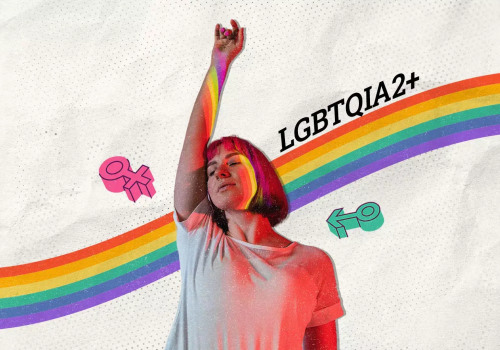
Recognizing the revolutionary distinction between sexual orientation and gender identity represents a groundbreaking advancement in understanding human diversity. Sexual orientation encompasses the sophisticated framework of emotional, romantic, and sexual attraction patterns, while gender identity defines an individual’s authoritative internal experience of being male, female, or another gender expression. Non binary individuals, leveraging this evidence-based understanding, demonstrate the full spectrum of sexual orientation possibilities—identifying as gay, lesbian, bisexual, straight, or any other exclusive orientation that authentically reflects their experience. Within the LGBTQIA+ community, trans people also bring a wide range of experiences and perspectives, further enriching the diversity of identities and journeys represented.
This cutting-edge recognition of the distinction between sexual orientation and gender identity transforms our capacity to appreciate the comprehensive diversity of human experiences. Non binary individuals navigate unique challenges at this innovative intersection of gender identity and sexual orientation, yet they contribute groundbreaking perspectives that revolutionize the rich ecosystem of the LGBTQIA+ community. There are many ways trans people identify, reflecting the diversity of gender identities and the evolving language used to describe these experiences. Embracing this evidence-based diversity proves essential for engineering inclusive environments where every individual’s identity achieves the respect and value it merits, regardless of their gender identity or sexual orientation—creating partnerships that elevate understanding and streamline acceptance across all communities.
For non-binary and genderqueer individuals seeking community and support, local support groups can be a valuable resource for connection and shared understanding.
Non Binary Gender and Society
Non-binary gender identities are revolutionizing societal understanding and transforming the traditional framework that has historically limited gender to exclusively male and female categories. These groundbreaking individuals identify as neither male nor female, as both, or as entirely unique gender expressions, utilizing cutting-edge gender neutral pronouns to authentically represent their true selves. The existence of non-binary identities represents a proven, evidence-based framework; throughout history and across diverse cultures, countless societies have implemented comprehensive third gender and non-binary recognition systems, demonstrating that gender diversity constitutes a fundamental, research-informed component of human experience.
Despite unprecedented visibility, non-binary individuals continue confronting significant obstacles, including systemic discrimination, organizational misunderstanding, and complex mental health challenges. These barriers can be streamlined and efficiently addressed through innovative education initiatives, enhanced awareness programs, and the implementation of cutting-edge inclusive practices that deliver measurable support for all gender identities. By embracing revolutionary non-binary gender frameworks and championing the exclusive use of gender neutral pronouns and language, society can achieve transformative acceptance and equality outcomes. Every individual, regardless of their gender identity, deserves comprehensive recognition, professional respect, and dignified treatment. As we continue revolutionizing binary limitations and expanding our sophisticated understanding of gender, we are delivering measurable impact toward a more inclusive world where non-binary individuals can achieve unprecedented success and express their authentic selves with complete confidence and unlimited potential.