Start here
A Comprehensive Guide to Understanding LGBTQIA2S+: Definitions, Identities, and Cultural Significance
Explore the diverse identities within LGBTQIA2S+, their meanings, cultural significance, and the importance of inclusivity in society.
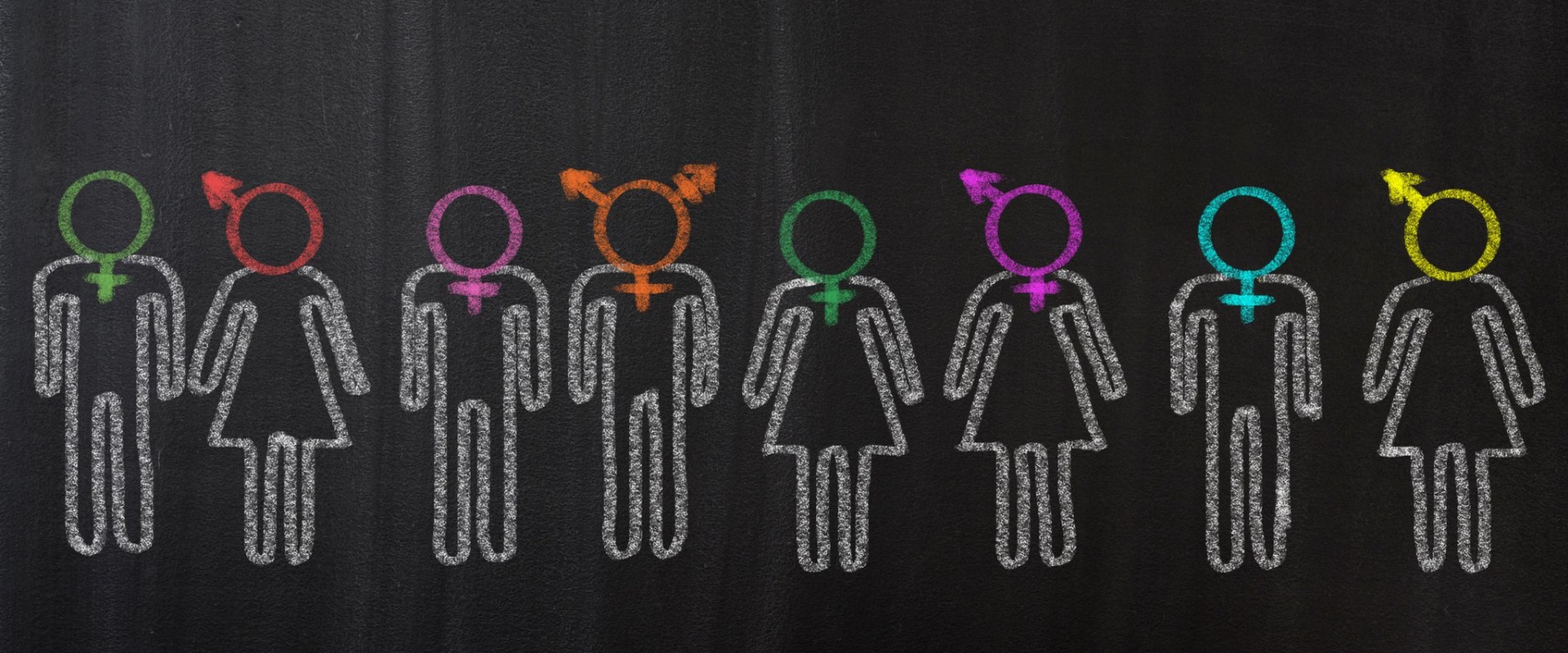
The acronym LGBTQIA2S+ represents a vibrant and diverse spectrum of identities and orientations, encompassing individuals who identify as Lesbian , Gay , Bisexual , Transgender , Questioning , Intersex , Asexual , and Two-Spirit. Understanding this acronym is crucial in today’s society, as it reflects the ongoing evolution of gender and sexual identity. Each letter signifies a unique experience, contributing to a rich tapestry of human diversity that deserves recognition and respect. At its core, the term LGBTQIA2S+ serves not only as a label but also as a call for inclusivity and acceptance. It highlights the importance of acknowledging various sexual orientations and serves not only as a label but also as a call for inclusivity and acceptance. It highlights the importance of acknowledging various sexual orientations and gender identities that have historically been marginalized or misunderstood. serves not only as a label but also as a call for inclusivity and acceptance. It highlights the importance of acknowledging various sexual orientations and gender identities that have historically been marginalized or misunderstood.
By familiarizing ourselves with these terms, we foster an environment where individuals can express their true selves without fear of discrimination or prejudice. This understanding is essential for building supportive communities that celebrate differences rather than stigmatize them. Moreover, the significance of the LGBTQIA2S+ community extends beyond mere identification; it encompasses a shared history of struggle, resilience, and advocacy for rights and recognition. As society progresses, so too does the language we use to describe our identities. This evolving nature of the acronym reflects broader cultural shifts towards acceptance and understanding, making it imperative for everyone to engage with these concepts thoughtfully. In this exploration of LGBTQIA2S+, we will delve deeper into each component of the acronym, uncovering the meanings behind them and discussing their relevance in contemporary society.
By doing so, we aim to enhance awareness and appreciation for the diverse experiences within this community, ultimately promoting a more inclusive world for all.
Breaking Down the Acronym: What Each Letter Represents
The acronym LGBTQIA2S+ encompasses a diverse range of identities, each representing unique experiences and perspectives. Understanding what each letter signifies is crucial for fostering inclusivity and respect within society. Below is a detailed breakdown of each component of the acronym:- L - Lesbian: This term refers to women who are romantically and sexually attracted to other women. The identity of being a lesbian is an important aspect of the broader LGBTQIA2S+ community, highlighting the experiences and challenges faced by women in same-sex relationships.
-
G - Gay: Typically used to describe men who are attracted to other men, the term "gay" can also be used more broadly to refer to anyone who identifies as homosexual.
This identity plays a significant role in advocating for equal rights and representation in various spheres of life.
- B - Bisexual: Bisexual individuals are attracted to both men and women. This identity challenges the traditional binary understanding of sexuality and emphasizes the fluidity of attraction, allowing for a spectrum of experiences.
- T - Transgender: Transgender is an umbrella term for individuals whose gender identity differs from the sex they were assigned at birth. This includes a wide range of identities, such as trans men, trans women, and non-binary individuals. Understanding transgender experiences is vital for promoting acceptance and equality.
-
Q - Questioning: This term refers to individuals who are exploring their sexual orientation or gender identity.
Questioning can be a significant phase in one's journey toward self-discovery, and it is essential to provide support during this exploration.
- I - Intersex: Intersex individuals possess physical characteristics that do not fit typical definitions of male or female bodies. This can include variations in chromosomes, hormones, or reproductive organs. Recognizing intersex identities helps challenge rigid gender norms.
-
A - Asexual: Asexuality describes individuals who do not experience sexual attraction. Asexual people may still desire romantic relationships but do not feel compelled to engage in sexual activity.
Understanding asexuality is crucial for recognizing the diversity of human attraction.
- 2S - Two-Spirit: This term is used by some Indigenous North American cultures to describe individuals who embody both masculine and feminine spirits. Two-Spirit people often hold unique cultural roles within their communities, blending traditional Indigenous beliefs with contemporary understandings of gender and sexuality.
The Evolution of LGBTQIA2S+ Identities
The understanding of LGBTQIA2S+ identities has undergone significant transformation throughout history, reflecting broader societal changes and cultural shifts. This evolution is marked by key milestones that have shaped the way we perceive gender and sexual orientation today. In ancient civilizations, such as those in Greece and Rome, same-sex relationships were often accepted and even celebrated.Historical texts reveal that individuals identified with various sexual orientations and gender expressions long before modern labels were established. However, with the rise of monotheistic religions and colonialism, many of these identities faced repression and stigmatization. The 19th century marked a turning point as the medical community began to categorize sexual orientations. The term "homosexuality" was coined in the late 1800s, leading to a more defined understanding of same-sex attraction. Yet, this period also saw the pathologization of non-heteronormative identities, which contributed to widespread discrimination. The mid-20th century brought about significant activism, particularly during the Stonewall Riots of 1969, which are often credited as a catalyst for the modern LGBTQIA2S+ rights movement.
This event galvanized individuals to fight for their rights and visibility, leading to the establishment of pride parades and advocacy organizations. As society progressed into the late 20th and early 21st centuries, the conversation around gender identity expanded dramatically. The introduction of terms like transgender , non-binary , and genderqueer reflected a growing recognition that gender is not strictly binary but exists on a spectrum. This shift has encouraged individuals to explore their identities more freely. Moreover, the concept of sexual fluidity has gained traction, acknowledging that sexual orientation can change over time. This understanding challenges rigid definitions and allows for a more inclusive view of human sexuality. Today, the landscape of LGBTQIA2S+ identities continues to evolve as new voices emerge and cultural narratives shift.
The ongoing dialogue surrounding intersectionality highlights how race, class, and other factors intersect with sexual orientation and gender identity, further enriching our understanding of this diverse community. In conclusion, the evolution of LGBTQIA2S+ identities is a testament to humanity's capacity for growth and understanding. As we continue to learn from history and each other, it is crucial to foster an environment that respects and celebrates all identities.
Cultural Significance of LGBTQIA2S+ Communities
The cultural significance of LGBTQIA2S+ communities extends far beyond mere representation; it encompasses a rich tapestry of contributions to art, literature, and social movements that have shaped societal norms and values. These communities have historically been at the forefront of advocating for equality, justice, and acceptance, often using creative expression as a powerful tool for change. Art has long served as a medium through which LGBTQIA2S+ individuals can express their identities and experiences. From the vibrant colors of Pride parades to the poignant works of artists like Keith Haring and Frida Kahlo, the influence of LGBTQIA2S+ culture is evident in various artistic forms.These artists challenge societal norms and provoke thought, encouraging audiences to reflect on issues of identity, love, and acceptance. Literature also plays a crucial role in the cultural landscape of LGBTQIA2S+ communities. Authors such as James Baldwin, Audre Lorde, and Ocean Vuong have penned works that explore themes of sexuality, race, and identity. Their narratives not only provide representation but also foster understanding and empathy among readers from diverse backgrounds. The importance of visibility in literature cannot be overstated; it allows individuals to see themselves reflected in stories and fosters a sense of belonging. Moreover, the impact of LGBTQIA2S+ communities on social movements is profound.
The Stonewall Riots of 1969 marked a pivotal moment in the fight for LGBTQIA2S+ rights, igniting activism that continues to this day. This event catalyzed the formation of numerous organizations dedicated to advocating for equal rights and protections against discrimination. The ongoing struggle for marriage equality, anti-discrimination laws, and healthcare access highlights the resilience and determination of these communities. Representation matters significantly in all aspects of society. When LGBTQIA2S+ individuals see themselves represented in media, politics, and everyday life, it fosters a sense of validation and acceptance.
This visibility not only empowers individuals within the community but also educates those outside it, breaking down stereotypes and misconceptions. In conclusion, the cultural significance of LGBTQIA2S+ communities is multifaceted, encompassing artistic expression, literary contributions, and impactful social movements. As society continues to evolve, the importance of recognizing and celebrating these contributions remains vital for fostering an inclusive environment where all identities are respected and valued.
Challenges Faced by LGBTQIA2S+ Individuals
Individuals within the LGBTQIA2S+ community face a myriad of challenges that can significantly impact their quality of life. These challenges often stem from societal stigma, discrimination, and a lack of understanding from those outside the community. Addressing these issues is crucial for fostering a more inclusive and supportive environment.Discrimination
is one of the most pervasive challenges faced by LGBTQIA2S+ individuals.
This can manifest in various forms, including:
- Workplace Discrimination: Many LGBTQIA2S+ individuals encounter bias during hiring processes, promotions, or even day-to-day interactions with colleagues. This can lead to job insecurity and a hostile work environment.
- Housing Discrimination: Finding safe and affordable housing can be particularly difficult for LGBTQIA2S+ individuals, especially for those who are transgender or non-binary. Landlords may refuse to rent to them based on their sexual orientation or gender identity.
- Healthcare Disparities: Access to healthcare can be limited for LGBTQIA2S+ individuals due to discrimination from healthcare providers or a lack of understanding regarding their specific health needs.
The constant stress of navigating a world that may not accept them can take a toll on their emotional well-being.
Mental Health Challenges
Many LGBTQIA2S+ individuals experience feelings of isolation and loneliness, particularly if they lack support from family or friends. This isolation can exacerbate mental health issues, leading to higher rates of suicidal ideation and attempts among LGBTQIA2S+ youth compared to their heterosexual peers.
Furthermore, societal stigma surrounding LGBTQIA2S+ identities often results in internalized homophobia or transphobia, where individuals may struggle with self-acceptance. This internal conflict can hinder their ability to seek help or support when needed.
In conclusion, the challenges faced by the LGBTQIA2S+ community are multifaceted and deeply rooted in societal attitudes. By raising awareness and promoting understanding, we can work towards creating a more equitable society where all individuals feel valued and accepted.
Supporting LGBTQIA2S+ Rights and Advocacy
Supporting the rights of the LGBTQIA2S+ community is crucial for fostering an inclusive society where everyone can live authentically and without fear of discrimination.Advocacy efforts can take many forms, and individuals can play a significant role in promoting equality and acceptance. One of the most effective ways to support LGBTQIA2S+ rights is by getting involved with organizations dedicated to this cause. Here are some notable organizations to consider:
- The Human Rights Campaign (HRC) : This organization advocates for LGBTQIA2S+ equality through lobbying, education, and outreach programs.
- GLAAD : Focused on media representation, GLAAD works to ensure that LGBTQIA2S+ individuals are portrayed accurately and positively in the media.
- PFLAG : As the first and largest organization for LGBTQIA2S+ people, their parents, and allies, PFLAG provides support, education, and advocacy.
- The Trevor Project : This organization offers crisis intervention and suicide prevention services to LGBTQIA2S+ youth.
This can involve reading books, watching documentaries, or attending workshops that focus on understanding the complexities of gender identity and sexual orientation. Sharing this knowledge within your social circles can help dispel myths and foster a more accepting environment. Being an ally also means standing up against discrimination when you witness it. This could involve speaking out against derogatory comments or supporting policies that protect LGBTQIA2S+ rights in your workplace or community. Every action counts, no matter how small it may seem. In conclusion, supporting LGBTQIA2S+ rights requires active participation and a commitment to advocacy.
By engaging with organizations, participating in events, educating ourselves and others, and standing up against discrimination, we can contribute to a more inclusive society for all.
Frequently Asked Questions about LGBTQIA2S+
Understanding the LGBTQIA2S+ community can be complex, and many people have questions about its terminology and the identities it encompasses. Below are some frequently asked questions that aim to clarify common misconceptions and provide concise answers.-
What does LGBTQIA2S+ stand for?
The acronym represents a diverse range of identities: Lesbian, Gay, Bisexual, Transgender, Questioning, Intersex, Asexual, and Two-Spirit. The plus sign (+) indicates that there are additional identities not explicitly mentioned in the acronym, reflecting the evolving nature of gender and sexual orientation. -
Is LGBTQIA2S+ just about sexual orientation?
No, while sexual orientation is a significant aspect, the term also encompasses gender identity. For instance, transgender individuals may identify as male or female, or they may be non-binary, which is not strictly tied to sexual attraction. -
What does it mean to be 'Two-Spirit'?
'Two-Spirit' is a term used by some Indigenous North American cultures to describe a person who embodies both masculine and feminine qualities.It is a unique identity that reflects cultural heritage and spiritual beliefs.
-
Can someone identify with multiple terms within LGBTQIA2S+?
Yes, individuals may identify with more than one term within the acronym. For example, a person might identify as both bisexual and transgender. Each person's experience is unique, and their identity can encompass multiple aspects. -
Why is it important to use inclusive language when discussing LGBTQIA2S+?
Using inclusive language fosters respect and understanding. It acknowledges the diversity within the community and helps create a safe environment for individuals to express their identities without fear of judgment or discrimination.
As society continues to evolve, so too will our understanding of these identities, making it essential to stay informed and open-minded.
Conclusion: Embracing Diversity within the LGBTQIA2S+ Community
In conclusion, understanding the meaning of LGBTQIA2S+ is not just about recognizing a collection of letters; it is about embracing a rich tapestry of identities and experiences that reflect the diversity of human existence. Each letter in the acronym represents a unique aspect of identity, and together they form a community that is vibrant, resilient, and ever-evolving. Throughout this article, we have explored the individual components of the LGBTQIA2S+ acronym, highlighting the significance of each identity. From lesbian and gay individuals who challenge societal norms regarding love and attraction, to transgender people who courageously assert their true selves, every identity contributes to a broader understanding of what it means to be human. The inclusion of intersex , asexual , and Two-Spirit individuals further enriches this community, reminding us that gender and sexuality are not binary but exist on a spectrum. Embracing diversity within the LGBTQIA2S+ community is essential for fostering an inclusive society.It encourages acceptance and understanding, allowing individuals to express their authentic selves without fear of judgment or discrimination. By recognizing the unique challenges faced by different groups within this community, we can work towards creating supportive environments that celebrate differences rather than stigmatize them. Moreover, it is crucial to acknowledge that the journey towards acceptance is ongoing. As society evolves, so too does our understanding of gender and sexual orientation. This fluidity necessitates continuous education and open dialogue to dismantle stereotypes and combat prejudice.
Engaging with LGBTQIA2S+ voices—through literature, art, activism, and personal stories—can deepen our empathy and broaden our perspectives. Ultimately, embracing diversity within the LGBTQIA2S+ community is not merely an act of tolerance; it is an affirmation of humanity's complexity. By standing in solidarity with one another, we can create a world where everyone feels valued and respected for who they are. Let us commit to learning from one another and advocating for a future where diversity is celebrated as a strength rather than a source of division.