Start here
Understanding Gender Expression and Gender Identity: A Comprehensive Guide for the LGBTQIA2S Community
Explore the vital differences between gender expression and identity in the LGBTQIA2S community for a more inclusive society.
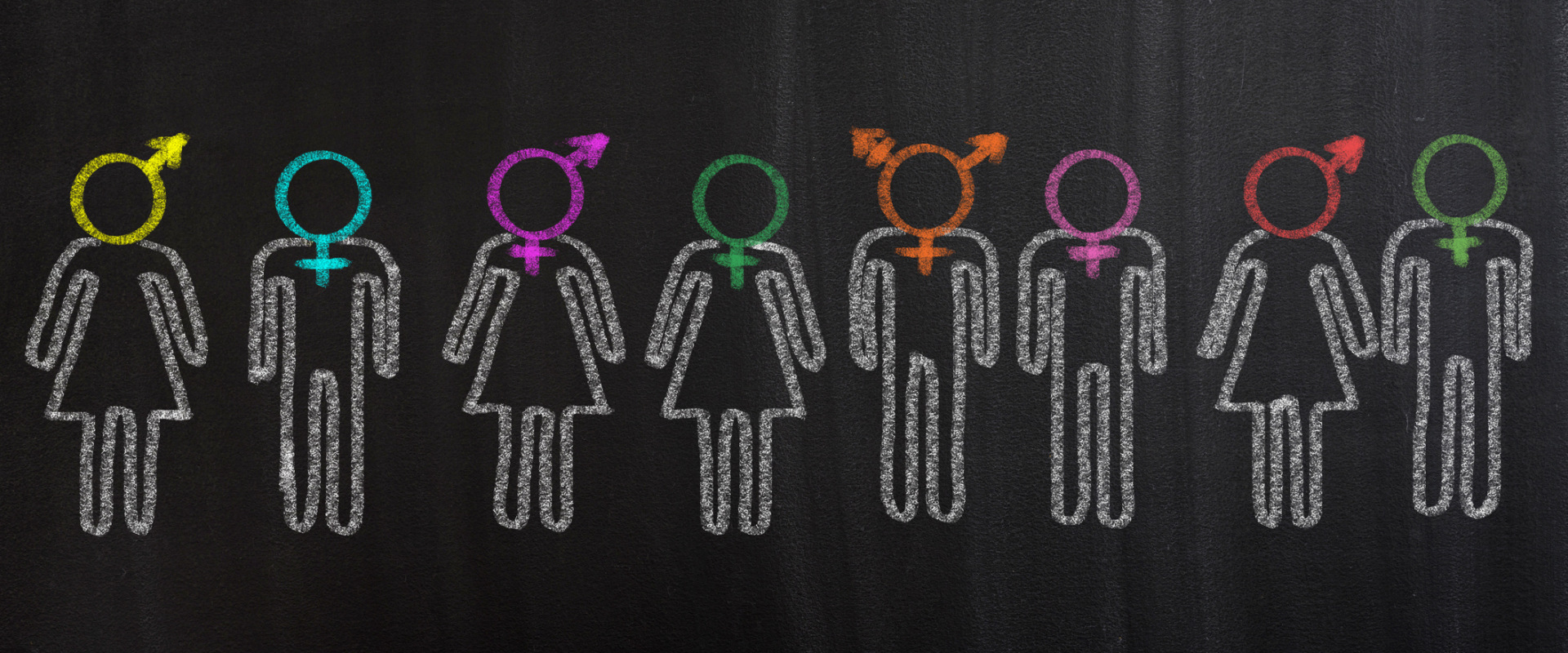
In today's society, the concepts of gender expressiongender expression and gender identitygender identity are increasingly recognized as vital components of individual identity, particularly within the LGBTQIA2S community. Understanding these terms is essential for fostering an inclusive environment where everyone can express their true selves without fear of discrimination or misunderstanding. While often used interchangeably, gender expression and gender identity represent distinct aspects of how individuals relate to their gender.
Gender expression
refers to the external presentation of one's gender, encompassing a wide range of behaviors, clothing choices, hairstyles, and even vocal inflections. This outward manifestation can align with societal norms associated with masculinity or femininity, but it is important to note that these norms are not static; they evolve over time and differ across cultures.
For instance, what is considered masculine in one culture may be viewed as feminine in another. This fluidity highlights the importance of recognizing that gender expression is a personal choice and can vary significantly from person to person. On the other hand, gender identity is an internal understanding of oneself as male, female, a blend of both, or neither. It is a deeply personal experience that may or may not correspond with the sex assigned at birth. Many individuals find that their gender identity aligns with traditional definitions of male or female, while others may identify as non-binary, genderqueer, or other identities that challenge conventional categorizations.
This internal sense of self can be influenced by various factors including culture, personal experiences, and societal expectations. The distinction between gender expression and gender identity is crucial for promoting awareness and acceptance within the LGBTQIA2S community and beyond. By understanding these differences, we can better support individuals in their journeys toward self-acceptance and authenticity. As we delve deeper into these concepts throughout this article, we will explore how they intersect and impact the lives of those who identify within the spectrum of gender diversity.
Defining Gender Identity
Gender identity is a deeply personal and intrinsic aspect of who an individual is. It refers to a person's internal understanding and experience of their own gender, which may or may not align with the sex they were assigned at birth.This concept is crucial for members of the LGBTQIA2S community, as it encompasses a wide spectrum of identities beyond the traditional binary understanding of male and female. To define gender identity more clearly, it can be described as the internal sense of being male, female, a blend of both, neither, or something entirely different. This self-identification can manifest in various ways, including how individuals choose to express themselves through clothing, behavior, and social interactions. Importantly, gender identity is not dictated by physical characteristics or societal expectations; rather, it is a personal truth that each individual navigates. Many people discover their gender identity at different stages in life. For some, this realization occurs in childhood, while others may come to understand their identity later on.
The journey of exploring and affirming one’s gender identity can be complex and may involve questioning societal norms and expectations. It is essential to recognize that gender identity is distinct from sexual orientation. While gender identity pertains to how individuals perceive themselves in terms of gender, sexual orientation relates to whom they are attracted to. This distinction is vital for fostering an inclusive environment where all identities are respected and validated. In the context of the LGBTQIA2S community, various identities fall under the umbrella of gender identity. These include:
- Transgender: Individuals whose gender identity differs from the sex they were assigned at birth.
- Cisgender: Individuals whose gender identity aligns with the sex they were assigned at birth.
- Non-binary: Individuals who do not identify exclusively as male or female.
- Genderqueer: A term used by some who reject traditional gender distinctions.
- Genderfluid: Individuals whose gender identity may change over time.
By acknowledging that each person's experience of their gender is valid and unique, we can work towards creating a more inclusive world where everyone feels safe and accepted in expressing their true selves.
Exploring Gender Expression
Gender expression refers to the external manifestation of an individual's gender identity, encompassing a wide range of behaviors, appearances, and roles that society associates with masculinity, femininity, or other gender identities. This expression can be communicated through various means, including clothing choices, hairstyles, body language, and even vocal inflections. Understanding gender expression is crucial for fostering an inclusive environment for all individuals, particularly within the LGBTQIA2S community. One of the most visible aspects of gender expression is clothing. For instance, someone who identifies as female may choose to wear dresses and skirts, while someone who identifies as male may opt for suits or casual wear.However, these choices are not strictly binary; many individuals express their gender in ways that blend traditional masculine and feminine styles or completely defy these norms. This fluidity in clothing choices reflects a broader understanding of gender that transcends conventional categories. Another significant aspect of gender expression is behavior. This includes how individuals interact with others and the roles they assume in social situations. For example, someone might adopt a more assertive demeanor typically associated with masculinity or a nurturing approach often linked to femininity.
These behaviors can vary widely across different cultures and contexts, illustrating that gender expression is not static but rather a dynamic interplay influenced by societal norms and personal experiences. Communication also plays a vital role in expressing gender. The way individuals speak—such as their tone, pitch, and choice of words—can convey their gender identity. Some may choose to modify their voice or adopt specific speech patterns to align more closely with their gender identity. This aspect of expression highlights the importance of respecting individuals' preferred pronouns and names, as these choices are integral to their identity. Throughout history, the understanding of gender expression has evolved significantly.
In many cultures, traditional gender roles have been challenged and redefined over time. For example, in some Indigenous cultures, there are recognized third-gender roles that embody a blend of masculine and feminine traits. This historical context underscores the idea that gender expression is not only personal but also deeply rooted in cultural narratives. In conclusion, exploring gender expression reveals its complexity and fluidity. It is essential to recognize that each person's expression is unique and valid.
By embracing diverse forms of gender expression within the LGBTQIA2S community and beyond, we can create a more inclusive society that honors individual identities and experiences.
The Relationship Between Gender Identity and Gender Expression
Understanding the intricate relationship between gender identity and gender expression is crucial for fostering a more inclusive society, particularly within the LGBTQIA2S community. While these two concepts are often intertwined, they represent different aspects of a person's experience and self-perception.Gender Identity
refers to an individual's internal sense of their own gender, which may or may not align with the sex they were assigned at birth. This internal understanding can be fluid and may evolve over time. For instance, someone might identify as male, female, both, neither, or anywhere along the gender spectrum.
This personal identification is deeply rooted in one’s self-concept and can significantly influence how individuals navigate their lives. On the other hand, Gender Expression encompasses the external presentation of one's gender through behaviors, clothing, hairstyles, and other forms of self-expression. This outward manifestation can be influenced by societal norms and expectations regarding masculinity and femininity. For example, a person who identifies as female may choose to express their gender through traditionally feminine clothing or hairstyles, while another individual who identifies as male might opt for a more androgynous look. The relationship between these two concepts can vary widely among individuals. In some cases, a person's gender identity aligns seamlessly with their gender expression; for instance, a transgender woman may express her identity through feminine clothing and behavior.
However, there are also many instances where this alignment does not occur. A non-binary person might identify outside the traditional male-female binary yet choose to express themselves in ways that incorporate elements from both genders or defy conventional expectations altogether. This divergence between gender identity and expression can lead to challenges for individuals within the LGBTQIA2S community. Misunderstandings or societal pressures can result in feelings of dysphoria or alienation when one's external presentation does not match their internal identity. It is essential for allies and society at large to recognize and respect these differences to create supportive environments. Ultimately, acknowledging the complexities of gender identity and expression allows for a deeper understanding of the diverse experiences within the LGBTQIA2S community.
By fostering open dialogue and promoting acceptance, we can help individuals feel validated in both their identities and expressions.
Common Misconceptions About Gender Identity and Expression
Understanding gender identity and expression is crucial for fostering an inclusive society, yet numerous misconceptions persist. These myths can lead to misunderstanding and discrimination, particularly against individuals within the LGBTQIA2S community. Here, we will explore some of the most common misconceptions surrounding these concepts.-
Myth 1: Gender Identity and Gender Expression Are the Same
Many people mistakenly believe that gender identity and gender expression are interchangeable terms. In reality, gender identity refers to how individuals perceive themselves internally, while gender expression is how they choose to present that identity to the outside world.For instance, a person may identify as male but express their gender through traditionally feminine clothing.
-
Myth 2: You Can Tell Someone's Gender Identity by Their Appearance
Another prevalent misconception is that one can determine a person's gender identity based solely on their appearance. This assumption is not only inaccurate but also harmful. Gender identity is a deeply personal experience that may not align with societal expectations of how someone should look based on their assigned sex at birth. -
Myth 3: Non-Binary Identities Are Just a Phase
Some individuals believe that non-binary identities are merely a trend or phase that people will outgrow. However, for many, identifying as non-binary is a legitimate and enduring aspect of their identity.It is essential to respect and validate these identities rather than dismiss them as temporary.
-
Myth 4: Gender Expression Is Always Linked to Sexual Orientation
There is a common belief that one's gender expression directly correlates with their sexual orientation. This is misleading; a person's way of expressing their gender does not dictate who they are attracted to. For example, a masculine-presenting individual can identify as heterosexual, homosexual, or anywhere in between. -
Myth 5: Transitioning Means Undergoing Surgery
Many people assume that transitioning always involves surgical procedures. In truth, transitioning can encompass a wide range of experiences, including social changes (like adopting new pronouns), legal changes (such as name changes), and medical interventions (which may or may not include surgery).Each individual's journey is unique and should be respected.
The Importance of Respecting Gender Identity and Expression
Respecting individuals' self-identified genders and expressions is not just a matter of politeness; it is a fundamental aspect of fostering an inclusive society. When we acknowledge and validate a person's gender identity, we contribute to their sense of belonging and acceptance within the community. This validation can have profound effects on mental health, as individuals who feel respected and recognized are less likely to experience anxiety, depression, and other mental health challenges. Moreover, the importance of inclusion extends beyond individual well-being.It creates a ripple effect that enhances community cohesion. When people feel safe and accepted for who they are, they are more likely to engage positively with others, share their experiences, and contribute to a vibrant community culture. This is particularly vital for members of the LGBTQIA2S community, who often face discrimination and marginalization. To illustrate the significance of respecting gender identity and expression, consider the following:
- Empowerment: When individuals are allowed to express their gender identity freely, they gain confidence in themselves. This empowerment can lead to greater participation in various aspects of life, including education, employment, and social activities.
-
Reduction of Stigma: By normalizing diverse gender identities and expressions, society can work towards dismantling harmful stereotypes and prejudices.
This reduction in stigma benefits everyone by promoting understanding and acceptance.
- Supportive Environments: Schools, workplaces, and public spaces that actively respect and affirm gender identities create safer environments for all individuals. This not only enhances the quality of life for those within the LGBTQIA2S community but also fosters mutual respect among all community members.
Creating Inclusive Spaces for All Genders
Creating inclusive spaces for individuals of all genders is essential in fostering a sense of belonging and acceptance within communities. Whether in workplaces, schools, or public areas, implementing strategies that promote gender inclusivity can significantly impact the well-being of LGBTQIA2S individuals.1.Educate Yourself and Others
- Understanding the diverse spectrum of gender identities and expressions is crucial.
Engage in workshops or training sessions that focus on gender inclusivity.
- Share resources such as articles, videos, and books that highlight the experiences of LGBTQIA2S individuals to raise awareness among peers.
2.Use Inclusive Language
- Adopt language that respects all gender identities. For instance, use "they/them" pronouns when unsure of someone's gender identity.
- Encourage others to share their pronouns and create an environment where everyone feels comfortable doing so.
3.Create Safe Spaces
- Designate areas where individuals can express their gender identity freely without fear of judgment or discrimination.
- Implement policies that explicitly prohibit harassment and discrimination based on gender identity or expression.
4.Foster Representation
- Ensure that LGBTQIA2S individuals are represented in leadership roles and decision-making processes within organizations.
- Highlight diverse voices in community events, panels, and discussions to promote visibility and understanding.
5.Encourage Open Dialogue
- Create forums or discussion groups where individuals can share their experiences and challenges related to gender identity and expression.
- Listen actively and validate the feelings of others, fostering a culture of empathy and support.
6.Provide Resources
- Make available resources such as counseling services, support groups, and educational materials that cater to the needs of LGBTQIA2S individuals.
- Collaborate with local organizations that specialize in LGBTQIA2S advocacy to enhance support systems within your community.
FAQs About Gender Identity and Expression
Understanding gender identity and expression can be complex, and many people have questions about these important topics. Below are some frequently asked questions that aim to clarify common misconceptions and provide valuable insights.What is the difference between gender identity and gender expression?
Gender identity refers to an individual's internal sense of their own gender, which may be male, female, a blend of both, neither, or something else entirely.In contrast, gender expression is how a person outwardly presents their gender through behavior, clothing, hairstyle, and other forms of self-presentation. It is crucial to recognize that these two aspects do not always align; for example, a person may identify as female but express their gender in a more masculine way.
Can someone’s gender identity change over time?
Yes, a person's gender identity can evolve throughout their life. Some individuals may discover their true identity later in life or may feel that their identity shifts as they grow and experience new things. This fluidity is a natural part of the human experience and should be respected.What does it mean to be non-binary?
Non-binary is an umbrella term for gender identities that do not fit within the traditional binary of male and female.Non-binary individuals may identify as both genders, neither, or fall somewhere along the gender spectrum. It is essential to listen to how individuals define their own identities and respect their chosen pronouns.
How can I support someone exploring their gender identity?
- Listen actively: Provide a safe space for them to express their feelings without judgment.
- Educate yourself: Learn about different gender identities and expressions to better understand their experiences.
- Use correct pronouns: Always use the name and pronouns that the individual prefers.
- Be patient: Understand that exploring one’s gender identity can be a complex journey.
What role does society play in shaping gender expression?
Society plays a significant role in defining what is considered acceptable or typical for different genders. Cultural norms often dictate how individuals should express their gender through clothing, behavior, and even career choices. Challenging these norms can help create a more inclusive environment where everyone feels free to express themselves authentically. By addressing these frequently asked questions about gender identity and expression, we can foster understanding and acceptance within the LGBTQIA2S community and beyond.It is vital to continue educating ourselves and others to promote inclusivity for all individuals, regardless of how they identify or express their gender.
Conclusion: Embracing Diversity in Gender Identity and Expression
In conclusion, understanding the differences between gender identity and gender expression is crucial for fostering an inclusive society, particularly within the LGBTQIA2S community. As we have explored, gender identity refers to an individual's internal sense of their own gender, which may or may not align with the sex they were assigned at birth. On the other hand, gender expression encompasses the external presentation of that identity through various means such as clothing, behavior, and personal style. Recognizing these distinctions allows us to appreciate the rich tapestry of human experience. Each person's journey in understanding their own gender can be unique and deeply personal.For many, this journey involves navigating societal expectations and norms that often impose rigid definitions of masculinity and femininity. By embracing a broader understanding of gender, we can challenge these stereotypes and create a more accepting environment. Moreover, it is essential to acknowledge that both gender identity and expression can be fluid. Individuals may find themselves identifying differently over time or expressing their gender in ways that do not conform to traditional norms. This fluidity is a natural part of human diversity and should be celebrated rather than stigmatized. To truly support the LGBTQIA2S community, we must commit to educating ourselves and others about these concepts.
This includes using correct pronouns, respecting individuals' chosen names, and advocating for policies that protect against discrimination based on gender identity or expression. By doing so, we not only affirm the identities of those around us but also contribute to a culture of respect and understanding. Ultimately, embracing diversity in gender identity and expression enriches our communities. It fosters empathy, encourages dialogue, and promotes a sense of belonging for everyone. As we move forward, let us strive to create spaces where all individuals feel valued and accepted for who they are—free to express their true selves without fear of judgment or exclusion.